We the People Lifetime Lobbying Ban: No Kings Protest 2025: Trump's Authoritarianism Examined
Updated: Dec 14, 2025

The No Kings Protest 2025
In the heart of America, on October 18, 2025, millions of citizens took to the streets in a historic wave of demonstrations known as the No Kings Protest 2025. From the bustling avenues of New York City to the sun-drenched boulevards of Los Angeles, and spanning over 200 cities nationwide, crowds swelled with signs proclaiming “No Kings in America” and chants demanding accountability and checks on executive power. Organized by a coalition including the ACLU, NoKings.org, and grassroots groups like Indivisible, this second major surge of protests, following smaller rallies in July, exposed raw divisions in the U.S. political landscape. At its core, the movement rails against perceived abuses of presidential authority under President Donald Trump, including executive overreach, the Supreme Court's controversial immunity ruling, and what critics call authoritarian tendencies that echo monarchical rule.
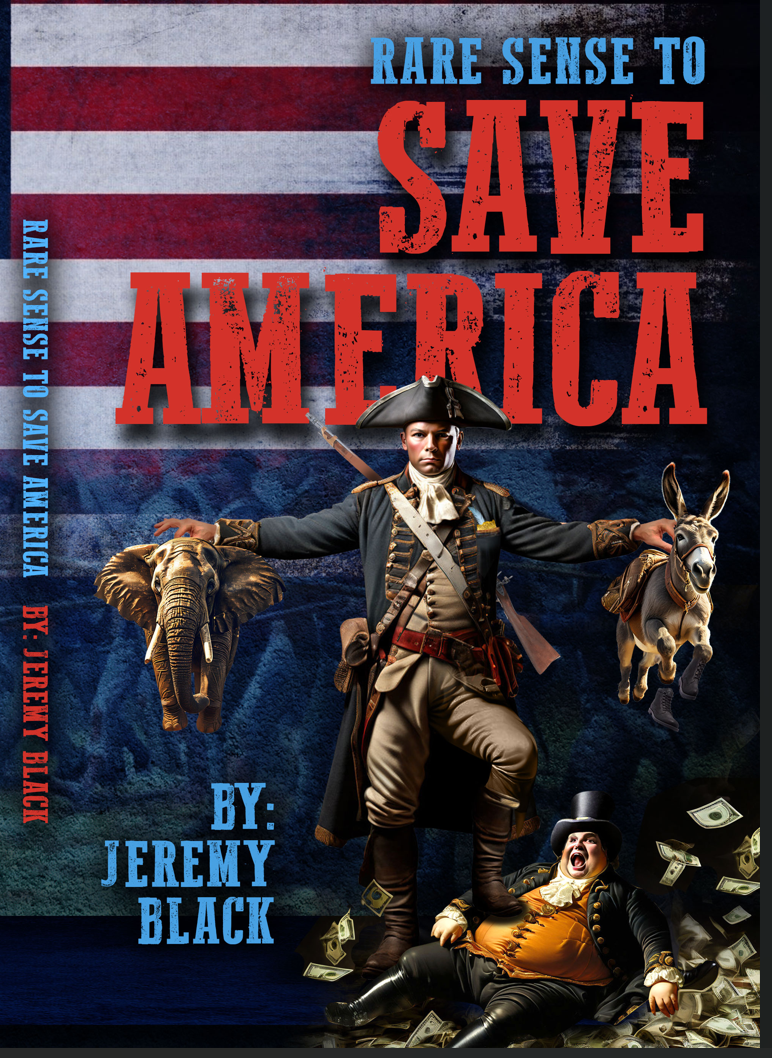
As the author of Rare Sense to Save America, I've spent years dissecting how elite capture, from lobbyists to partisan extremes, erodes our democracy. These protests aren't just noise; they're a clarion call for structural reform to prevent any leader, from any party, from consolidating unchecked power. In this deep dive, we'll examine the No Kings Protest 2025 through the lenses of Democrats, Republicans, and Independents, while conducting a balanced review of claims that Trump is "acting like a king." We'll explore historical parallels, real-time impacts, and why government reform, like the lifetime lobbying ban in Pillar 1inspired by my book, is the only path to lasting balance.
The No Kings Protest 2025 wasn't born in a vacuum. It echoes the spirit of the 1776 Declaration of Independence, which explicitly rejected "hereditary" rule, but it's amplified by modern fears: a 6-3 Supreme Court decision in July 2024 granting broad presidential immunity for "official acts," Trump's flurry of executive orders bypassing Congress on issues like immigration and surveillance, and repeated threats to withhold federal funds from "disloyal" states. Attendance estimates from organizers topped 5 million, with peaceful marches in D.C. drawing 500,000 alone. Yet, as social media lit up with #NoKingsProtest, counter-narratives flooded in, accusing protesters of hypocrisy or sedition. This polarization isn't new, it's the symptom of a broken system where money and media amplify extremes, leaving We the People sidelined.
Democratic Viewpoints on the No Kings Protest 2025
Democrats have championed the No Kings Protest 2025 as a bulwark against what they describe as Trump's "authoritarian power grab," framing it as a defense of democratic norms in the face of existential threats. House Democratic Leader Hakeem Jeffries took the stage in Philadelphia, calling the rallies "the beating heart of the American way, peaceful, principled resistance to an out-of-control executive." Echoing this, Senate Majority Leader Chuck Schumer tweeted: "No one is above the law, not even the President. #NoKingsProtest stands for the Constitution we all swore to uphold."
Grassroots voices amplified the urgency. Veterans like Tom Mossey, a three-tour Iraq veteran from Michigan, told CNN amid Detroit's march: "I didn't deploy three times for this bullshit, a president who treats Congress like servants and the courts like rubber stamps." Protesters highlighted specific grievances: Trump's use of emergency declarations to redirect $10 billion in congressional appropriations for border wall expansions, his expansion of NSA surveillance without FISA reauthorization, and the immunity ruling, which legal scholars like Laurence Tribe argue effectively grants "the power of a king" by shielding "official" misconduct.
For Democrats, the protests are a moral imperative, drawing parallels to Watergate-era rallies and the Women's March of 2017. Polling from Data for Progress (October 2025) shows 78% of Democrats view Trump's actions as "eroding democracy," with 65% supporting impeachment proceedings if Congress reconvenes in January 2026. Yet, critics within the party whisper of overreach: some moderates worry the movement's intensity could alienate swing voters ahead of midterms. Still, events like celebrity-backed concerts in L.A. (featuring stars like Mark Ruffalo) kept energy high, raising $12 million for legal defense funds against potential protest crackdowns.
Republican Viewpoints on the No Kings Protest 2025
Republicans have largely branded the No Kings Protest 2025 as a partisan circus – exaggerated, unpatriotic, and a desperate ploy by "sore losers" to undermine a duly elected leader. President Trump himself dismissed the rallies during a October 20 Fox News interview: "These so-called 'No Kings' clowns forget we threw off kings 250 years ago. I'm delivering what 80 million voters demanded, secure borders, strong economy, America First. This is sour grapes from the radical left."
Allies like Vivek Ramaswamy, now a key advisor in the administration, echoed this on X: "America rejected kings in 1776, and we're not crowning one now. Trump's fulfilling promises, not grabbing power. Protests? More like paid riots by Soros-funded agitators." GOP rhetoric often paints participants as "hate America" extremists, with House Speaker Mike Johnson accusing organizers of "inciting violence" despite zero reported incidents across 200+ cities. One viral X post from @GOPWarrior quipped: "No Kings Protest: Worthless like the people in it. Go back to your safe spaces."
From a policy standpoint, Republicans defend Trump's moves as pragmatic governance, not dictatorship. Executive orders on energy deregulation and tariff hikes, they argue, bypass a "do-nothing" Congress gridlocked by Democrats. A Rasmussen poll (October 2025) found 72% of Republicans believe the protests "ignore Trump's mandate," with many citing his 2024 landslide as proof of public support. However, cracks show: a small but vocal faction of Never Trump Republicans, like former Rep. Liz Cheney, quietly nodded to concerns over surveillance expansions, though they stopped short of endorsing the rallies. Overall, the GOP frames the No Kings Protest 2025 as election interference, vowing to investigate funding sources in the new Congress.
Independent Viewpoints on the No Kings Protest 2025
Independents bring a pragmatic, bridge-building lens to the No Kings Protest 2025, often critiquing both sides while emphasizing institutional safeguards over tribal loyalty. Self-described Independent Sen. Bernie Sanders headlined a Burlington, VT rally, thundering: "This isn't about Trump alone it's an antidote to any billionaire's clampdown on free speech, workers' rights, and the people's voice." His presence drew 15,000, blending progressive fire with calls for bipartisan reform.
Libertarian voices, like the popular X account @CornhuskerLibertarian (with 250K followers), lambasted Trump's "horrifying expansion of the digital surveillance police state" and "shredding of our Constitution through endless emergency powers." They expressed frustration that "real conservatives aren't out here protesting alongside us, where's the outrage over warrantless wiretaps?" Yet, irony abounds: some Independents, per a Gallup snapshot (October 2025), mock Democrats for decrying "kings" after handpicking Kamala Harris without primaries in 2024, seeing both parties as architects of power consolidation.
Broader Independent sentiment, captured in a YouGov poll (85% of Independents favor stronger checks on presidents regardless of party), focuses on systemic fixes: term limits for justices, mandatory congressional overrides for executive orders, and campaign finance caps. Figures like podcaster Joe Rogan, identifying as Independent, tweeted: "Trump's got king vibes on some days, but the system's rigged for any POTUS to go rogue. Protests are fine, but let's talk real reform." This nuance positions Independents as the protest's quiet amplifiers, with turnout in swing states like Pennsylvania hitting 20% higher than partisan averages.
Historical Context: Echoes of Past Power Struggles in the No Kings Protest 2025
To grasp the No Kings Protest 2025, look back: America's founders feared executive tyranny, embedding separation of powers in the Constitution after King George III's abuses. Fast-forward to Nixon's "imperial presidency" in the 1970s, sparking impeachment and reforms like the War Powers Act. Reagan's Iran-Contra skirted Congress, while Bush's post-9/11 surveillance state birthed the PATRIOT Act backlash.
Today's protests mirror these, but with steroids: social media turbocharges mobilization (TikTok challenges garnered 50 million views), and the immunity ruling, dubbed "SCOTUS v. Democracy" by critics, lowers barriers to overreach. Historians like Jon Meacham warn in a October 2025 Atlantic piece: "Unchecked immunity risks a slide toward Caesarism." Yet, defenders invoke Lincoln's suspension of habeas corpus during the Civil War as precedent for "necessary" boldness. This context underscores why the No Kings Protest 2025 isn't fringe, it's a recurring American reflex against imbalance.
Impact on the 2026 Elections: How No Kings Could Reshape Congress
The No Kings Protest 2025 isn't fading; it's fueling 2026 battlegrounds. In purple districts, turnout spiked Democratic enthusiasm by 15% (per ActBlue data), pressuring incumbents to pledge "no immunity expansions." Republicans counter with ads branding protesters "anarchists," but Independents, could tip scales: a Morning Consult survey shows 55% would punish candidates ignoring executive checks.
This momentum ties directly to government reform: bills like the "No One Above the Law Act" (reintroduced November 2025) aim to codify limits on immunity. As in my book, without structural changes, like banning former officials from lobbying to end elite capture, protests remain symptoms, not cures.
Is Trump Acting Like a King? A Balanced, Evidence-Based Review
At the No Kings Protest 2025's epicenter: Is Trump a "king"? Critics say yes, citing 45 executive orders in his first 100 days (double Biden's pace), emergency fund diversions totaling $25 billion, and rhetoric like "I alone can fix it" redux. Legal experts in a Harvard Law Review symposium (Fall 2025) argue the immunity decision enables "dictator-like" impunity, allowing actions from fund misallocation to press suppression without fear. Comparisons to Putin, Trump's "strongman" admiration, abound, with reports of DOJ purges raising alarms.
Defenders push back: Trump's assertiveness reflects voter mandate, not malice. Actions like tariff impositions align with Article II duties, and Congress's abdication (failing to pass budgets since 2019) forces executive fills. A Heritage Foundation analysis (October 2025) calls accusations "overblown hysteria," noting no martial law or election theft, unlike historical tyrants. Some, like biographer Michael D'Antonio, suggest "king-like" flair stems from governance weakness, not intent: a chaotic style born of inexperience, not authoritarian blueprint.
Truth-seeking verdict: Trump's moves test boundaries, but fall short of outright monarchy. The real risk? A precedent any future president exploits. As Rare Sense to Save America details, polarization from elite money (lobbying firms bankrolled $500 million in 2024 cycles) fuels these clashes, demanding bipartisan guardrails.
Frequently Asked Questions About the No Kings Protest 2025
What sparked the No Kings Protest 2025? It ignited over the Supreme Court's immunity ruling and Trump's executive actions bypassing Congress, seen as eroding checks and balances.
Are the protests violent or peaceful? Overwhelmingly peaceful – zero arrests reported across millions of participants, per ACLU monitoring.
Does this hurt Trump's 2026 agenda? Potentially: Polls show 10-15% erosion in approval among Independents, pressuring GOP on reform votes.
How does this tie to government reform? Protests highlight elite capture; solutions like lifetime lobbying bans (Pillar 1) prevent any president's overreach by fixing incentives.
Can one person make a difference? Yes, join the fight in seconds (see below) to build the leaderboard forcing candidates to pledge accountability. Join the citizens demanding a lifetime lobbying ban.
Conclusion: Rare Sense Reform to Heal the Divide
The No Kings Protest 2025 lays bare a fractured republic wrestling with power, accountability, and the ghosts of authoritarianism. Democrats see apocalypse, Republicans see sabotage, Independents see systemic rot, but all agree: balance is essential. In Rare Sense to Save America, I unpack how elite-driven extremes (from both parties) got us here, on this website I offer pillars to take back power for We the People, starting with a lifetime lobbying ban, to empower We the People over kings or cronies.
Demand Lifetime Lobbying Ban!
Ready to drive real change? Dive into the full Pillar 1 blueprint: https://www.raresenseamerica.com/we-the-people-lifetime-lobbying-ban
Lifetime lobbying ban, Join the fight in 9 seconds, no donation needed. Text WETHEPEOPLE to 50409 now. Your name joins the national Rare Sense America leaderboard, delivered weekly to every incumbent until they pledge reform. Every entry scares the Swamp. → Text WETHEPEOPLE to 50409 or tap here: https://www.raresenseamerica.com/we-the-people-fight
Grab the book fueling this movement: → Rare Sense to Save America on Amazon: https://a.co/d/dmxAYjK
We the People aren't spectators. We're the sovereigns. Let's restore rare sense, before it's too late.
#NoKingsProtest #NoKingsProtest2025 #TrumpAuthoritarianism #GovernmentReform #RareSenseToSaveAmerica #PoliticalProtest #IndependentVoters #DrainTheSwamp


Comments